Banking, Recovery & Cheque Disputes
Overview
Unpaid dues need a clear record and a considered response. We work on recovery disputes and cheque dishonour matters for financial institutions, businesses and individuals.
Mohit’s experience includes civil recovery suits at District Court and High Court level and complaints under Section 138 of the Negotiable Instruments Act. Anisha has managed litigation portfolios for banks and financial institutions. Together, the practice covers document review, notices, pleadings and representation.

Our Work
How we can assist
Mohit’s experience includes civil recovery suits at District Court and High Court level and complaints under Section 138 of the Negotiable Instruments Act. Anisha has managed litigation portfolios for banks and financial institutions. Together, the practice covers document review, notices, pleadings and representation.
- Civil suits for recovery of dues
- Cheque dishonour complaints and related representation
- Bank and financial-institution litigation
- Review of loan, payment and transaction records
- Negotiation and settlement of payment disputes
05 ways we can assist in this area of practice.
Before You Call
For a useful first discussion
Loan or transaction documents, account statements, invoices, the cheque and return memo where relevant, and copies of notices and replies.
Hearings and deadlines
Tell the office about any hearing, notice or response date when you make your enquiry. Advice on the appropriate next step follows a review of your matter.
Related partner experience
Mohit Gupta, Co-founder · Advocate.
Contacts
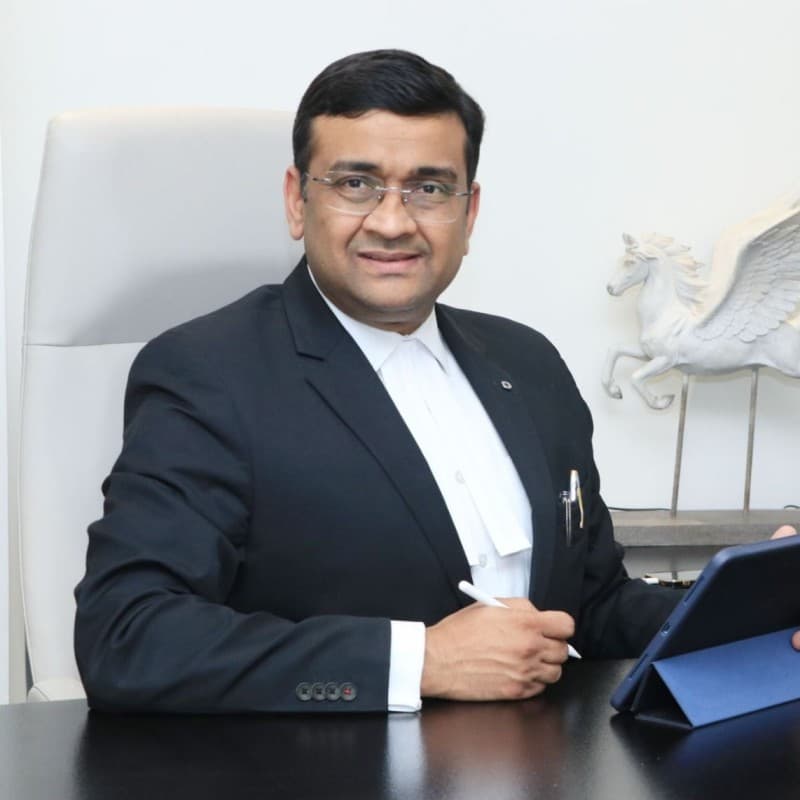
Co-founder · Advocate
Mohit Gupta
Co-founder · Advocate & Mediator
Anisha GuptaHow We WorkA considered start makes a difference.
- STEP 01
Understand
We begin with your account of what happened and review the key documents.
- STEP 02
Assess
We identify the issues, the stage of the matter and the work that may be required.
- STEP 03
Agree the next step
We discuss the scope, professional fees and next steps before taking on an engagement.
FAQs
General information only. Advice on your matter follows a review of its facts and documents.
Yes. Our practice includes cheque dishonour matters under Section 138 of the Negotiable Instruments Act. The documents and dates need to be reviewed before advice on the next step can be given.
Yes. We review the transaction, the evidence of payment obligations and the correspondence before discussing the available course of action.
The cheque must be presented within three months of its date. After the bank returns it unpaid, the payee has 30 days to send a written demand notice. The drawer then has 15 days to pay. If they don't, the complaint must be filed within one month after those 15 days end.
The complaint is filed in the court with jurisdiction over the bank branch where the payee's account is kept, that is, where the cheque was deposited for collection. This has been the rule since the 2015 amendment to the Negotiable Instruments Act.
Imprisonment of up to two years, a fine of up to twice the cheque amount, or both. The offence can be compounded, so many cases end in a settlement once the amount is paid.
Yes. A Section 138 complaint is a criminal case and a recovery suit is a civil one. Both can be pursued, and it is often sensible to do so.
Explore Practice Areas
Let’s understand your matter.
A brief conversation can help establish where to begin.